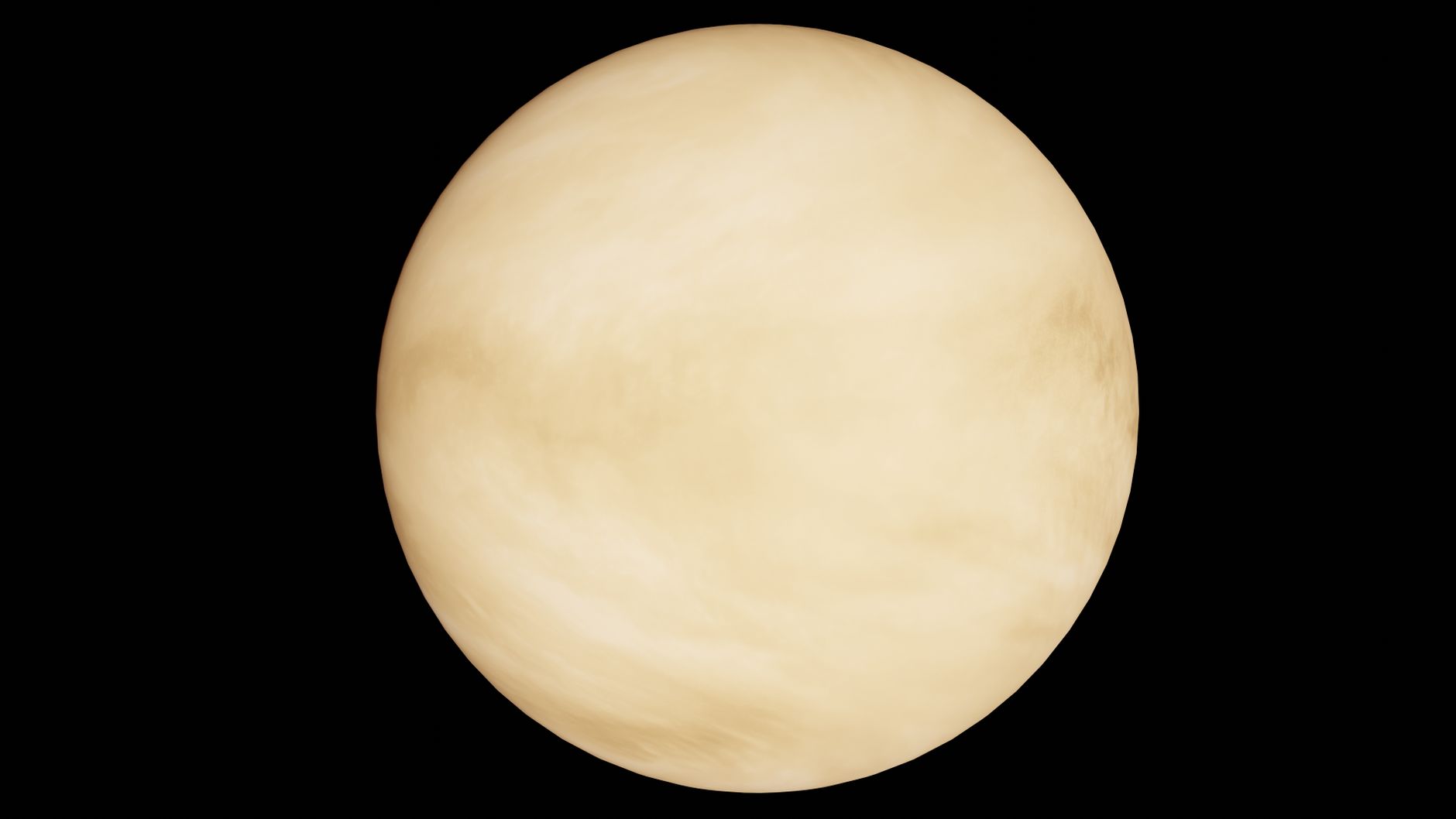
Peptides in Venus’ clouds could form life-giving shapes, raising questions about the potential for life beyond Earth. Recent studies suggest intriguing possibilities that challenge our understanding of habitability in extreme environments.
What Are Peptides?
Peptides are short chains of amino acids linked together by peptide bonds, and they play a crucial role in the building blocks of life. These organic compounds are essential for various biological functions, including the formation of proteins, which are vital for cellular processes.
In the context of astrobiology, the presence of peptides in Venus’ clouds could hold significant implications for the potential for life beyond Earth. Researchers theorize that under the right conditions, peptides may assemble into more complex structures that could support biological activity.
Some key characteristics of peptides include:
- Structure: Peptides can vary in length and complexity, influencing their properties and functions.
- Functionality: They can act as hormones, enzymes, or signaling molecules, playing a role in numerous physiological processes.
- Stability: Certain peptides can maintain their structure in extreme environments, which could be relevant for survival in hostile conditions like those found in Venus’ atmosphere.
Understanding peptides in Venus’ clouds may lead to new insights into the possibilities of life existing in environments previously thought to be uninhabitable.
The Significance of Venus’ Atmosphere
Venus’ atmosphere offers a unique environment that may hold clues to the potential for life beyond Earth. In recent studies, scientists have discovered that the clouds of Venus contain a variety of complex chemical compounds, including peptides. These molecules are essential to the formation of proteins and could play a significant role in the development of life in extreme conditions.
The significance of Venus’ atmosphere lies in its dense composition, which is primarily carbon dioxide, along with clouds of sulfuric acid. This harsh environment has long led researchers to believe that Venus is uninhabitable. However, the presence of peptides in Venus’ clouds suggests a different possibility. Some of the key aspects of this finding include:
- Extremophiles: Organisms on Earth that thrive in extreme environments may give us insight into how life could exist in Venus’ clouds.
- Chemical Reactions: The unique atmospheric conditions could facilitate chemical reactions that lead to the formation of more complex organic molecules.
- Potential Habitats: The upper atmosphere of Venus might provide a suitable habitat for microbial life, allowing for survival despite the planet’s harsh surface conditions.
These findings underscore the importance of studying peptides in Venus’ clouds and their implications for understanding life’s potential beyond our planet.
Could Life Exist in Venus’ Clouds?
Recent studies suggest that the clouds of Venus may harbor the building blocks of life, specifically peptides. This intriguing possibility raises the question: could life exist in Venus’ clouds? The harsh conditions of the planet’s surface have long led scientists to believe that it is inhospitable. However, the upper atmosphere presents a different scenario.
In these clouds, temperatures and pressures are more moderate, creating an environment that could support microbial life. Researchers theorize that if peptides can be found in these clouds, they may form more complex structures necessary for biological processes. The presence of sulfuric acid and other chemicals could also play a role in the formation of these essential compounds.
Moreover, scientists are exploring the idea that these peptides might interact with the unique atmospheric conditions of Venus. This interaction could lead to the emergence of primitive life forms, similar to how life began on Earth.
As exploration continues, the potential for discovering life in Venus’ clouds remains an exciting frontier in astrobiology. The implications of such findings could reshape our understanding of life’s existence beyond Earth.
Recent Discoveries in Astrobiology
Recent discoveries in astrobiology have sparked interest in the possibility of life beyond Earth, particularly in unexpected places like Venus. Scientists have identified the presence of peptides in Venus’ clouds, which has opened new avenues for research into the building blocks of life. These organic compounds, formed by amino acids, are essential for various biological processes and may offer insights into the conditions necessary for life to thrive.
One of the most fascinating findings is that these peptides could potentially assemble into more complex structures, reminiscent of early life forms on Earth. This has led researchers to consider the implications of life existing in the harsh and acidic environment of Venus’ atmosphere.
Moreover, the study of peptides in Venus’ clouds has prompted scientists to rethink the requirements for life. Could life adapt to extreme conditions? As researchers continue to explore this question, they are also looking at how similar processes might occur on other planets and moons within our solar system and beyond.
As this field of study evolves, the potential for discovering extraterrestrial life forms based on peptides may become more than just a speculative theory.
Implications for Space Exploration
The discovery of peptides in Venus’ clouds has significant implications for future space exploration. As scientists continue to unravel the mysteries of our solar system, the presence of these organic compounds raises intriguing possibilities about life’s potential beyond Earth.
Exploratory missions to Venus may need to reconsider their objectives, focusing not only on the planet’s harsh surface conditions but also on its cloud layers, where conditions may be more conducive to the development of life. The clouds of Venus, rich in sulfuric acid, could potentially host microbial life forms that rely on peptides for survival.
Future missions might include:
- Sample collection: Gathering atmospheric samples to analyze the composition of peptides and other organic molecules.
- Robotic exploration: Deploying drones or landers that can navigate the thick clouds to perform in-situ experiments.
- Remote sensing: Utilizing advanced telescopes to study the chemical signatures of Venus’ atmosphere from afar.
These explorations could transform our understanding of life’s adaptability and redefine the search for extraterrestrial life in the universe.
Future Research Directions
As scientists continue to explore the intriguing possibility of peptides in Venus’ clouds, future research directions are becoming increasingly vital. Understanding the role of these organic compounds in extreme environments could reshape our knowledge of life’s potential beyond Earth.
Several key areas warrant further investigation:
- Laboratory Simulations: Conducting experiments that mimic Venus’ atmospheric conditions will help researchers determine how peptides might form and persist in such a hostile environment.
- Sample Collection: Future missions to Venus, such as aerial or balloon-based explorations, could collect atmospheric samples to directly analyze for the presence of peptides and other organic compounds.
- Astrobiological Models: Developing models that predict the behavior and stability of peptides in Venus’ clouds will enhance our understanding of their potential role in biochemical processes.
- Interdisciplinary Collaboration: Collaborating with chemists, biologists, and planetary scientists will provide a more comprehensive view of how peptides might contribute to the prospects of life on Venus.
Ultimately, the study of peptides in Venus’ clouds could unlock new avenues for astrobiology, enriching our quest for understanding life in the universe.
Photo by Zelch Csaba on Pexels


1 thought on “Peptides in Venus’ clouds: The Real Potential for Life”