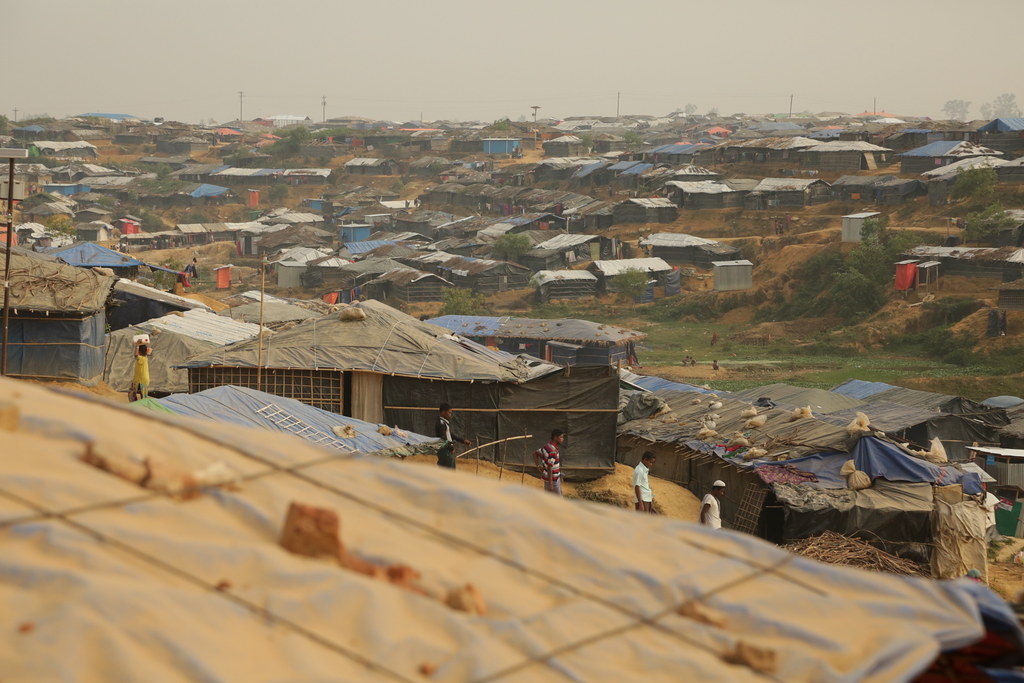
The Bangladesh water crisis is escalating as the India-Ganga treaty approaches its expiry. This situation poses significant risks to local farms and fisheries, jeopardizing livelihoods and food security.
Understanding the Bangladesh Water Crisis
The Bangladesh water crisis has emerged as a critical issue, with far-reaching implications for the nation’s agriculture and fisheries. As the Ganga Treaty with India approaches its expiry, concerns over water availability and quality have intensified, impacting both the rural and urban populations.
Farmers, who rely heavily on irrigation, face dwindling water supplies, which threaten crop yields and food security. The crisis has been exacerbated by climate change, leading to unpredictable weather patterns and reduced rainfall.
Furthermore, the fisheries sector, a vital source of livelihood for many Bangladeshi families, is suffering due to lower water levels in rivers and increased salinity. This has detrimental effects on fish populations and the overall ecosystem, making it increasingly difficult for local fishermen to sustain their catch.
Key factors contributing to the crisis include:
- Over-extraction of groundwater: Excessive pumping has led to depletion of aquifers.
- Pollution: Industrial runoff and waste disposal have contaminated water sources.
- Climate change: Rising temperatures and erratic rainfall patterns have disrupted traditional farming practices.
Addressing the Bangladesh water crisis is essential for ensuring the sustainability of both agriculture and fisheries in the region.
Impact of the India-Ganga Treaty
The India-Ganga Treaty, signed in 1996, has played a crucial role in regulating water flow between India and Bangladesh. However, as the treaty nears its expiry, the implications for the ongoing Bangladesh water crisis are becoming evident. Farmers and fishermen in Bangladesh are particularly vulnerable to the consequences of potential changes in water allocation.
Without a renewed agreement, the following impacts could be anticipated:
- Reduced Water Flow: A decrease in the Ganga River’s water flow could lead to severe water shortages, affecting irrigation practices and crop yields.
- Increased Salinity: With less freshwater entering the coastal areas, saltwater intrusion could jeopardize fisheries, disrupting the livelihoods of many who depend on this vital resource.
- Economic Consequences: The combined effects of reduced agricultural output and declining fish stocks could lead to significant economic distress for local communities.
- Food Security Risks: With agriculture and fisheries being essential for food security, the Bangladesh water crisis could exacerbate malnutrition issues across the region.
As negotiations continue, the urgency to address these challenges is paramount to safeguard the future of Bangladesh’s farms and fisheries.
Challenges for Local Farmers
The Bangladesh water crisis has posed significant challenges for local farmers, threatening their livelihoods and food security. As water levels in rivers decline, farmers are struggling to irrigate their fields, leading to reduced crop yields and increased competition for the limited available water resources.
Many farmers have reported the following challenges:
- Decreased Crop Production: With insufficient water supply, staple crops such as rice and vegetables are suffering, resulting in lower harvests.
- Increased Costs: Farmers are forced to invest in alternative irrigation methods, such as deep tube wells, which require substantial financial resources.
- Soil Degradation: Continuous reliance on groundwater can lead to salinity issues and soil degradation, further impacting agricultural productivity.
- Food Insecurity: The decline in crop yields has heightened concerns about food availability, leading to rising prices and potential famine in vulnerable communities.
As the Bangladesh water crisis continues to affect farming practices, many farmers are calling for urgent government intervention to secure sustainable water management solutions that protect their livelihoods and the nation’s agricultural future.
Effects on Fisheries and Aquaculture
The ongoing Bangladesh water crisis is severely impacting the nation’s fisheries and aquaculture sectors. As water levels in rivers decline due to the reduced flow from upstream, aquatic life faces dire consequences. Fishermen report dwindling catches, leading to increased economic hardship for communities that rely heavily on fishing for their livelihoods.
Several key factors contribute to this crisis:
- Decreased Water Quality: Pollution and sedimentation have worsened, further jeopardizing fish populations.
- Altered Habitats: Reduced water flow results in habitat loss for many species, making it difficult for fish to thrive.
- Impact on Aquaculture: Shrimp and fish farms are struggling with water shortages, impacting production levels.
As a result, many families that depend on fisheries for sustenance are facing food insecurity. Local markets are experiencing rising prices for fish, further exacerbating the crisis for low-income households. Experts warn that without immediate intervention and sustainable water management practices, the long-term viability of Bangladesh’s fisheries and aquaculture could be at serious risk.
Possible Solutions to the Crisis
The Bangladesh water crisis demands urgent attention and innovative solutions to mitigate its devastating effects on agriculture and fisheries. Several strategies can be implemented to address the challenges faced by local communities.
- Improved Water Management: Adopting efficient irrigation techniques and rainwater harvesting can significantly enhance water availability for farming.
- Policy Revisions: Revisiting and renegotiating the India-Ganga Treaty could help secure a more equitable distribution of water resources, benefiting both countries.
- Community Engagement: Involving local farmers and fishermen in decision-making processes ensures that their needs and insights are considered, leading to more effective solutions.
- Investment in Technology: Utilizing modern technologies, such as satellite monitoring and data analytics, can improve water usage efficiency and predict water availability.
- Awareness Campaigns: Educating communities about sustainable practices and the importance of water conservation can foster a collective responsibility toward managing water resources.
By implementing these solutions, Bangladesh can work towards overcoming the water crisis, ensuring the sustainability of farms and fisheries that are vital for the country’s economy and food security.
By DFID – UK Department for International Development via Openverse
Where this came from
You might also like
Texas governor border policy: The clear stance on illegal crossings · 2026 Senate midterm election results: What’s the Real Impact? · BJP Raids in Punjab: Are They the Right Move for Security?