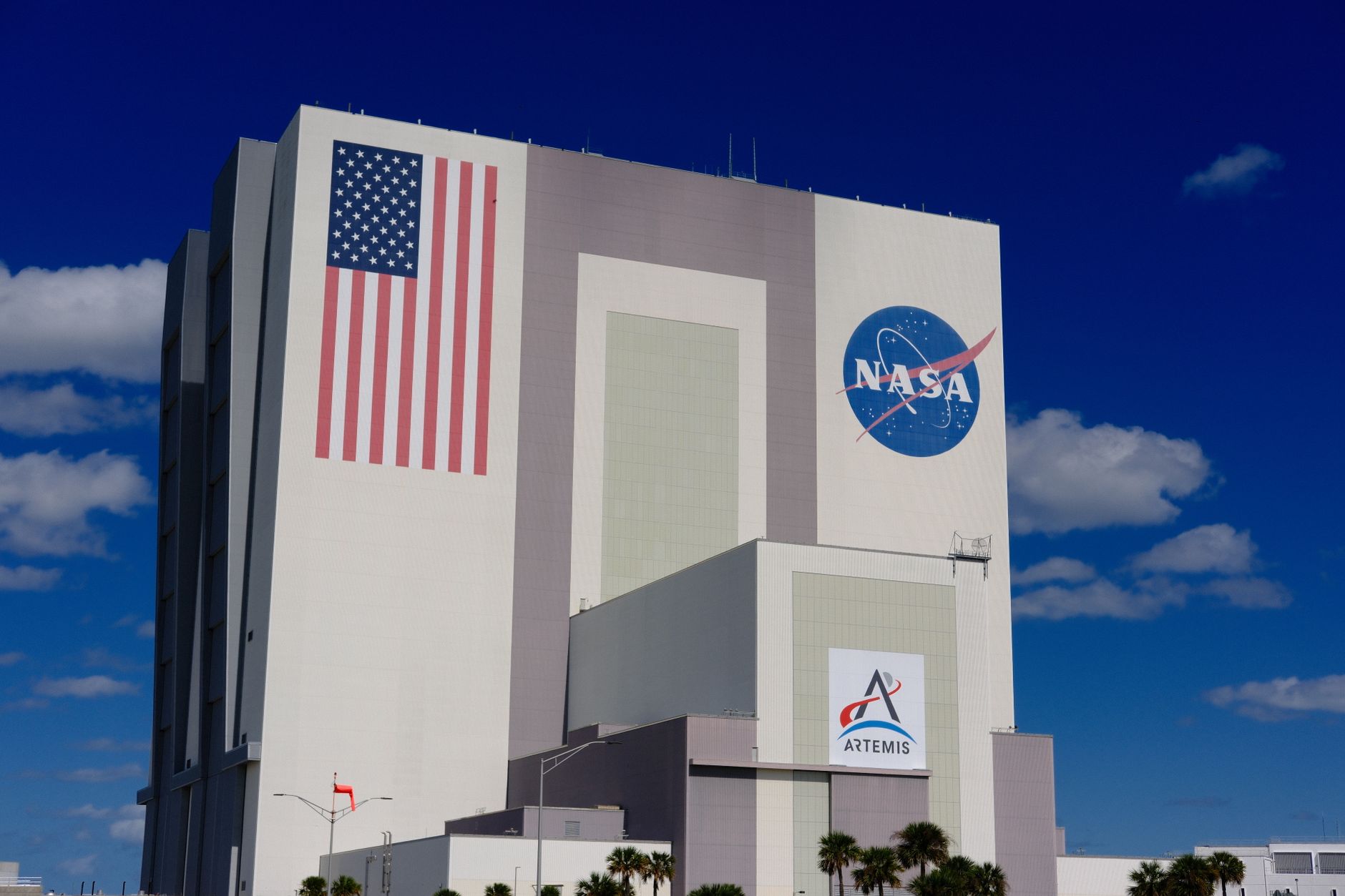
Artemis 2 science data has been released by NASA, providing invaluable insights into the mission’s findings. This data is crucial for understanding future space exploration efforts.
Overview of Artemis 2 Mission
The Artemis 2 mission marks a significant milestone in NASA’s lunar exploration program, paving the way for future crewed missions to the Moon and beyond. This mission is not just about sending astronauts back to the lunar surface; it also aims to gather valuable scientific data that will enhance our understanding of space.
During the Artemis 2 mission, astronauts will embark on a crewed flight around the Moon, collecting essential Artemis 2 science data that will inform subsequent missions. This data will be crucial for developing technologies and techniques for deep space exploration.
Key objectives of the mission include:
- Testing the Orion spacecraft’s systems in a deep-space environment.
- Evaluating life support systems to ensure astronaut safety during long-duration missions.
- Gathering data on the Moon’s gravitational effects on spacecraft dynamics.
As NASA prepares for this historic journey, the insights gained from Artemis 2 will not only contribute to lunar exploration but also inspire a new generation of space enthusiasts eager to learn more about the universe.
Key Findings from the Science Data
The recent release of the Artemis 2 science data has provided valuable insights into the mission’s objectives and outcomes. This data is crucial for understanding the implications of human exploration beyond low Earth orbit. Here are some key findings:
- Radiation Levels: The mission tracked radiation exposure experienced by astronauts, offering essential data for future long-duration spaceflights.
- Life Support Systems: Insights into the efficiency of life support systems were gathered, helping refine technologies for sustaining human life on the Moon and Mars.
- Environmental Conditions: Data on lunar environmental conditions, such as dust and temperature variations, were collected, aiding in the planning of future missions.
- Human Factors Research: The mission focused on human responses to space travel, providing critical information on the psychological and physiological effects of deep space travel.
The Artemis 2 science data not only enhances our understanding of space travel but also lays the groundwork for upcoming missions, ensuring that future astronauts are better prepared for the challenges of space exploration.
Impact on Future Missions
The release of the Artemis 2 science data marks a pivotal moment for future space explorations. As NASA continues to push the boundaries of human spaceflight, the insights gained from this mission will significantly influence upcoming endeavors.
One of the most remarkable aspects of the Artemis 2 mission is its potential to inform the design and execution of subsequent lunar missions. The data collected will be instrumental in refining technologies that ensure crew safety and mission success. Notably, the findings will be used to:
- Enhance spacecraft durability: Understanding how materials respond to lunar conditions can lead to more robust vehicles.
- Improve life support systems: Insights into resource utilization will help create sustainable habitats for astronauts.
- Advance navigation techniques: The science data will aid in developing precise landing methods on the Moon and beyond.
Moreover, the Artemis 2 science data will serve as a foundation for international collaboration in space exploration. By sharing these insights, NASA aims to foster partnerships that could lead to groundbreaking discoveries in the quest to explore Mars and other celestial bodies.
Public Engagement and Outreach
The Artemis 2 mission has not only advanced our understanding of lunar exploration but also emphasized the importance of public engagement and outreach. As NASA releases Artemis 2 science data, it opens new avenues for enthusiasts and the general public to connect with space science.
NASA has implemented several initiatives aimed at involving the public in the excitement surrounding Artemis 2. This includes:
- Interactive Webinars: NASA hosts live sessions where scientists discuss the findings from Artemis 2 science data, allowing participants to ask questions and engage directly with experts.
- Social Media Campaigns: The agency utilizes platforms like Twitter and Instagram to share real-time updates, educational content, and stunning imagery from the mission, fostering an online community of space enthusiasts.
- Educational Programs: Collaborations with schools and universities aim to inspire the next generation of scientists and engineers, integrating Artemis 2 findings into curriculum materials.
These outreach efforts are designed to not only disseminate information but also to build a sense of excitement about space exploration. By sharing the insights gained from Artemis 2 science data, NASA hopes to engage and inspire individuals to participate in future missions and discoveries.
Expert Opinions on the Data
Experts from various fields have weighed in on the significance of the Artemis 2 science data, highlighting its potential to advance our understanding of lunar exploration. Dr. Emily Rodriguez, a planetary scientist, noted that the data collected during the mission could provide crucial insights into the Moon’s geology. “This mission is not just about sending humans back to the Moon; it’s about understanding our celestial neighbor in ways we have never done before,” she explained.
Additionally, Dr. Mark Thompson, an astrobiologist, emphasized the importance of the mission’s findings for future endeavors. “The science data we are gaining from Artemis 2 will be invaluable for planning sustainable human presence on the Moon and eventually Mars,” he stated. “Understanding the lunar environment is essential for long-term exploration goals.”
Furthermore, NASA’s Chief Scientist, Dr. Jennifer Lee, highlighted the collaborative aspect of the mission. “The Artemis 2 science data represents a partnership between numerous institutions and disciplines. It showcases the power of teamwork in tackling the challenges of space exploration,” she remarked.
These expert opinions underscore the broad consensus that the Artemis 2 science data is a pivotal step forward in our quest to explore the Moon and beyond.
How to Access the Artemis 2 Data
Accessing the Artemis 2 science data is straightforward, thanks to NASA’s commitment to making space exploration information available to the public. The data can be accessed through various platforms designed for researchers, educators, and space enthusiasts alike.
To begin exploring the Artemis 2 science data, users can visit the official NASA website, where a dedicated section for the Artemis missions provides links to datasets, visualizations, and research documentation. The data is organized into several categories, making it easier for users to find specific information related to the mission’s objectives.
Additionally, NASA collaborates with educational institutions and science centers to facilitate workshops and training sessions. These initiatives aim to help individuals understand how to interpret the data effectively and apply it to their research or educational projects.
For those who prefer a more interactive approach, NASA often hosts live webinars and Q&A sessions with scientists involved in the Artemis 2 mission. This allows participants to ask questions directly, gaining deeper insights into the significance of the science data collected during the mission.
Overall, accessing the Artemis 2 science data is an exciting opportunity for anyone interested in space exploration.
Photo by Lando Dong on Pexels