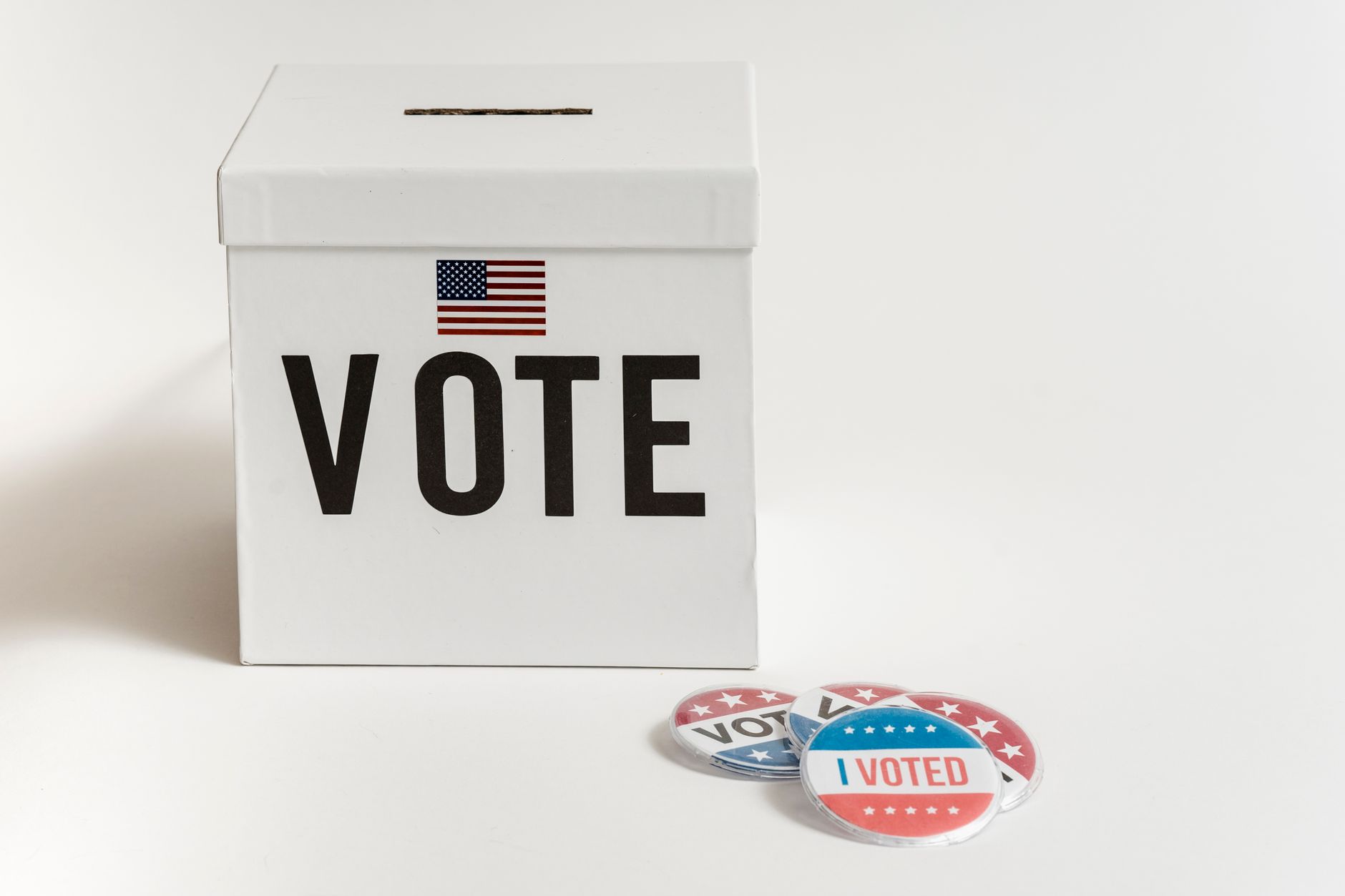
farmers’ votes are pivotal for the GOP as Trump heads to Kansas amid concerns over a costly harvest season. The political landscape is shifting as agricultural challenges mount.
The Importance of Farmers’ Votes
As the 2024 election approaches, the importance of farmers’ votes cannot be overstated. Agriculture remains a cornerstone of the American economy, and rural voters play a crucial role in shaping the political landscape. In recent years, farmers have faced numerous challenges, from fluctuating market prices to unfavorable weather conditions.
With a costly harvest season looming, many farmers are grappling with the fallout of these issues. The GOP, recognizing the significance of this demographic, is making concerted efforts to secure their support. They emphasize policies that benefit agricultural communities, including trade agreements and subsidies.
Farmers’ votes are particularly vital in swing states like Kansas, where the agricultural sector is a major economic driver. Candidates who can effectively address the concerns of farmers may gain a competitive edge in the election.
Moreover, farmers are increasingly vocal about their needs, advocating for sustainable practices and financial support. As they prepare for the upcoming harvest, their votes will likely reflect their hopes and frustrations, making it imperative for politicians to listen and respond to their calls for action.
Challenges Facing Farmers This Season
This season, farmers are grappling with a multitude of challenges that could significantly impact their livelihoods and, by extension, the political landscape. As they prepare for harvest, they are facing a combination of adverse weather conditions, rising input costs, and market volatility.
- Weather Conditions: Unpredictable weather patterns have led to droughts in some regions and excessive rainfall in others, affecting crop yields.
- Input Costs: The cost of fertilizers, seeds, and other essential supplies has surged, putting additional strain on farmers’ budgets.
- Market Volatility: Fluctuations in commodity prices have made it difficult for farmers to predict their income, leading to uncertainty about their financial futures.
These issues not only threaten the farmers’ ability to produce food but also their voting power. As farmers’ votes become increasingly crucial in shaping agricultural policy, their concerns must be addressed. With the upcoming elections, candidates like Trump must take note of these challenges to secure the support of the farming community. The stakes are high, and the outcome of this season could resonate beyond the fields.
Trump’s Strategy in Kansas
In the heartland of America, Trump’s strategy in Kansas is drawing attention as he seeks to secure the crucial farmers’ votes ahead of the upcoming election. With harvest challenges looming, he is emphasizing his commitment to agricultural policies that resonate with local farmers.
During his visit, Trump is expected to address several key issues that affect the farming community, including:
- Trade policies and their impact on crop prices
- Federal support for sustainable farming practices
- Access to affordable insurance for farmers struggling with poor yields
Farmers are a vital voting bloc for the GOP, and their discontent over rising costs and fluctuating markets could have significant implications for Trump’s campaign. He is keenly aware that their support is not guaranteed, especially with many facing financial uncertainty due to this year’s harvest challenges.
As the election approaches, the emphasis on farmers’ votes will likely intensify, making Kansas a focal point for Trump’s outreach efforts. His administration’s past initiatives will be scrutinized as farmers weigh their options in a season marked by economic strain.
Economic Impact on Agriculture
The economic landscape for farmers has become increasingly precarious, with many facing significant challenges this harvest season. As costs rise for essential supplies such as seeds, fertilizers, and fuel, farmers are finding it more difficult to maintain profitability. This situation has raised serious concerns within the agricultural community, particularly as the 2024 elections approach. Farmers’ votes are crucial, and their discontent could translate into significant political repercussions.
Several factors are contributing to the economic strain:
- Increased Input Costs: Farmers are experiencing skyrocketing prices for fertilizers and equipment, impacting their bottom line.
- Labor Shortages: A growing shortage of agricultural workers is complicating operations, leading to delays and decreased productivity.
- Climate Challenges: Unpredictable weather patterns are affecting crop yields, making it harder to forecast profits.
These economic challenges not only threaten the livelihoods of farmers but also highlight the importance of their votes in shaping agricultural policy. As farmers weigh their options, the GOP is acutely aware that the upcoming election could hinge on how well they address these pressing issues.
Voter Sentiment Among Farmers
As the 2024 election approaches, voter sentiment among farmers is becoming increasingly critical for candidates, particularly for Trump, who heavily relies on farmers’ votes. Many in the agricultural community are voicing their concerns over the current economic climate, which has been marked by rising input costs and unpredictable weather patterns.
According to recent surveys, a significant portion of farmers feels that their needs are not being adequately addressed by the current administration. Key issues impacting their support include:
- Rising Costs: Many farmers are struggling with increased prices for seeds, fertilizers, and fuel.
- Market Access: Farmers are concerned about trade policies that may limit their ability to export goods.
- Regulatory Pressures: Increased regulations are seen as burdensome, adding to the difficulties of maintaining profitability.
As harvest season approaches, the pressure is mounting for politicians to engage with the farming community. Trump’s ability to resonate with this crucial voting bloc will play a pivotal role in shaping the outcome of the election. Farmers’ votes may very well determine the future of agricultural policy in America.
How Harvest Costs Affect Elections
The challenges of this harvest season have significant implications for the political landscape, particularly as farmers’ votes become increasingly pivotal. The rising costs of production, coupled with unpredictable weather patterns, have left many farmers questioning their financial stability and, consequently, their voting intentions.
Several factors contribute to the increased harvest costs this year:
- Higher input prices: The cost of seeds, fertilizers, and fuel has surged, straining farmers’ budgets.
- Labor shortages: A lack of available workers has made it difficult for farmers to harvest their crops efficiently.
- Market fluctuations: Prices for agricultural products have been volatile, creating uncertainty about future profits.
As farmers grapple with these challenges, the importance of their votes cannot be overstated. Many are becoming more politically active, voicing their concerns to candidates and seeking assurances that their needs will be prioritized. If Trump and the GOP fail to address the pressing issues facing farmers, they risk alienating a crucial voter base in key agricultural states.
The Role of Agriculture in Politics
The agricultural sector plays a pivotal role in shaping political landscapes, especially during election seasons. Farmers’ votes are not only crucial for candidates looking to secure support in rural areas but also reflect the broader economic concerns facing the nation. With the ongoing challenges in agriculture, including rising costs and fluctuating market conditions, farmers are increasingly aware of how their votes can influence policies that directly impact their livelihoods.
In recent years, the connection between farming and politics has become even more pronounced. Many candidates are now tailoring their platforms to address the specific needs of farmers, recognizing that their votes can sway election outcomes. This relationship is particularly significant during difficult harvest seasons, when the economic strain on farmers can lead to a shift in voter sentiment.
Furthermore, political engagement from the agricultural community is on the rise. Farmers are actively participating in discussions about sustainable practices, government subsidies, and trade agreements that affect their operations. As the upcoming elections draw near, the importance of farmers’ votes will likely become a central theme in political campaigns, emphasizing the need for candidates to resonate with this vital sector of the economy.
Future of GOP and Farming Communities
As the harvest season unfolds, the future of the GOP and its relationship with farming communities hangs in the balance. Farmers’ votes are increasingly becoming a focal point for political strategists, especially as agricultural challenges mount. With rising costs of inputs and unpredictable weather patterns, many farmers are feeling the pinch, which could influence their electoral choices.
The GOP has historically relied on rural voters, but recent shifts in economic conditions have caused some disenchantment among these important constituents. Many farmers are expressing concerns that their needs are not being sufficiently addressed. In this climate, the party must adapt its messaging and policies to resonate with agricultural voters.
- Strengthening support for agricultural subsidies
- Promoting sustainable farming practices
- Addressing trade issues that affect crop prices
Farmers’ votes will be crucial in upcoming elections, particularly in swing states where agricultural economies are prominent. If the GOP fails to connect with this vital demographic, it risks losing not only votes but also the trust of a community that is essential to its base.
Photo by Sora Shimazaki on Pexels
Where this came from
Related stories
Jailer 2 Box Office: Best Proven Debut for Kollywood · UCO Bank recruitment: Best proven opportunities for 2026 · North Carolina gas prices: The Worst Rates and Real Concerns