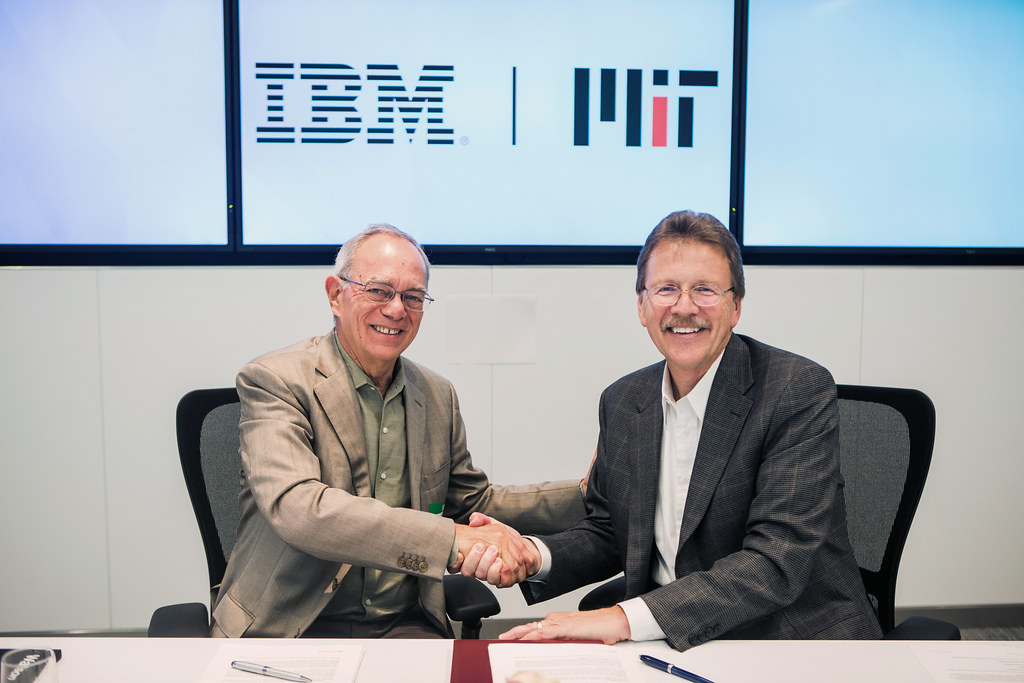
The joint research agreement between IIT Kanpur and BIT Mesra marks a significant step in collaborative education. This partnership aims to enhance research capabilities and facilitate student exchanges.
Overview of the Joint Research Agreement
The recent collaboration between IIT Kanpur and BIT Mesra marks a significant milestone in academic partnerships, as the two institutions have signed a five-year joint research agreement. This initiative aims to foster innovation and advance scientific research through shared resources and expertise.
The joint research agreement will facilitate various collaborative projects, allowing students and faculty members from both institutions to engage in cutting-edge research across multiple disciplines. The partnership is designed not only to enhance the academic experience but also to bridge the gap between theoretical knowledge and practical application.
Key features of the agreement include:
- Student exchanges: Students will have the opportunity to study and conduct research at both IIT Kanpur and BIT Mesra, enriching their academic exposure.
- Collaborative projects: Faculty members from both institutions will work together on research initiatives, potentially leading to groundbreaking discoveries.
- Shared resources: Access to each other’s laboratories and libraries will be granted, allowing researchers to utilize a wider range of tools and information.
- Workshops and seminars: Joint events will be organized, promoting knowledge sharing and networking among students and faculty.
This partnership exemplifies how academic institutions can work together to create opportunities for students, ultimately enhancing their educational journey and preparing them for future challenges.
Benefits for Students and Faculty
The recent joint research agreement between IIT Kanpur and BIT Mesra marks a significant step towards enhancing educational opportunities for both students and faculty members. This collaboration is set to provide a wealth of benefits that can enrich academic experiences and foster innovation.
One of the primary advantages of this partnership is the opportunity for students to engage in cutting-edge research projects. By participating in collaborative initiatives, students can:
- Gain hands-on experience: Working alongside esteemed faculty and researchers will allow students to apply theoretical knowledge to real-world challenges.
- Enhance their skill sets: Exposure to diverse research methodologies and technologies will equip students with valuable skills sought after in today’s job market.
- Expand their professional network: Collaboration with peers from a different institution fosters connections that can lead to future career opportunities.
For faculty members, the joint research agreement offers similar benefits, including:
- Access to shared resources: Faculty can utilize each other’s facilities and expertise, leading to more impactful research outcomes.
- Collaborative publications: Joint projects can result in co-authored research papers, enhancing the academic profiles of faculty members.
- Increased funding opportunities: Collaborative research often attracts more funding, enabling more extensive studies and projects.
Overall, this smart partnership is poised to create a dynamic environment that supports academic growth and innovation.
Research Areas of Focus
The joint research agreement between IIT Kanpur and BIT Mesra aims to foster innovative collaborations across various research areas. This strategic partnership is designed to enhance the academic and practical experiences of students while promoting groundbreaking research initiatives. The following research areas have been identified as key focuses:
- Artificial Intelligence and Machine Learning: Leveraging smart algorithms to solve complex problems across different industries.
- Renewable Energy: Exploring sustainable energy solutions to combat climate change and reduce carbon footprints.
- Biomedical Engineering: Innovating medical technologies and healthcare solutions that improve patient outcomes.
- Robotics and Automation: Developing advanced robotic systems to enhance productivity and efficiency in manufacturing and service sectors.
- Data Science: Analyzing large datasets to extract meaningful insights that can drive decision-making.
- Materials Science: Researching new materials that can lead to advancements in multiple fields, including electronics and construction.
This joint research agreement not only emphasizes academic collaboration but also encourages interdisciplinary projects that combine expertise from both institutions. Students will have the opportunity to engage in hands-on research, participate in workshops, and collaborate with faculty members, thus enriching their educational journey and preparing them for future careers.
Future Prospects for Collaboration
The recent joint research agreement between IIT Kanpur and BIT Mesra marks a significant milestone in fostering a collaborative environment that is expected to yield numerous benefits for both institutions. As the partnership progresses, there are promising prospects for collaboration that can extend far beyond the initial framework of the agreement.
One of the key future directions includes expanding interdisciplinary research initiatives. By leveraging the unique strengths of each institution, faculty and students can engage in projects that integrate various fields such as engineering, technology, and social sciences. This will not only enhance the quality of research but also lead to innovative solutions for real-world challenges.
Additionally, the agreement opens up opportunities for international collaborations. With a growing network of global partners, students can participate in exchange programs that allow them to gain valuable experience in diverse research environments. This exposure is crucial for developing a global perspective, which is increasingly important in today’s interconnected world.
The partnership also envisions the establishment of joint workshops and seminars, where students and faculty from both institutes can share insights and foster creativity. Such events are instrumental in building a robust academic community that encourages knowledge sharing and networking.
In conclusion, the joint research agreement not only sets the stage for immediate outcomes but also paves the way for lasting collaborations that will benefit future generations of researchers and innovators.
How This Affects Higher Education
The recent joint research agreement between IIT Kanpur and BIT Mesra marks a significant milestone in the landscape of higher education in India. This collaboration not only enhances academic synergy but also opens new avenues for innovation and knowledge sharing among students and faculty.
As institutions increasingly seek to strengthen their research capabilities, such agreements are becoming essential. They provide students with unique opportunities to engage in cutting-edge research projects, collaborate with peers from different backgrounds, and gain exposure to diverse methodologies. This fosters a culture of inquiry and creativity that is crucial for developing future leaders in various fields.
Additionally, the joint research agreement emphasizes interdisciplinary studies, allowing students to explore a broad spectrum of subjects. This approach cultivates critical thinking and problem-solving skills, preparing graduates for the complexities of the global job market. With access to shared resources and expertise, students can participate in innovative projects that address real-world challenges.
Moreover, the partnership encourages international student exchanges, which enrich the academic experience by promoting cross-cultural understanding and collaboration. In an increasingly interconnected world, such exposure is invaluable.
Ultimately, the impact of this joint research agreement extends beyond the individual institutions involved. It represents a shift towards collaborative education models that can redefine higher education and enhance the overall quality of research across the country.
By IBM Research via Openverse