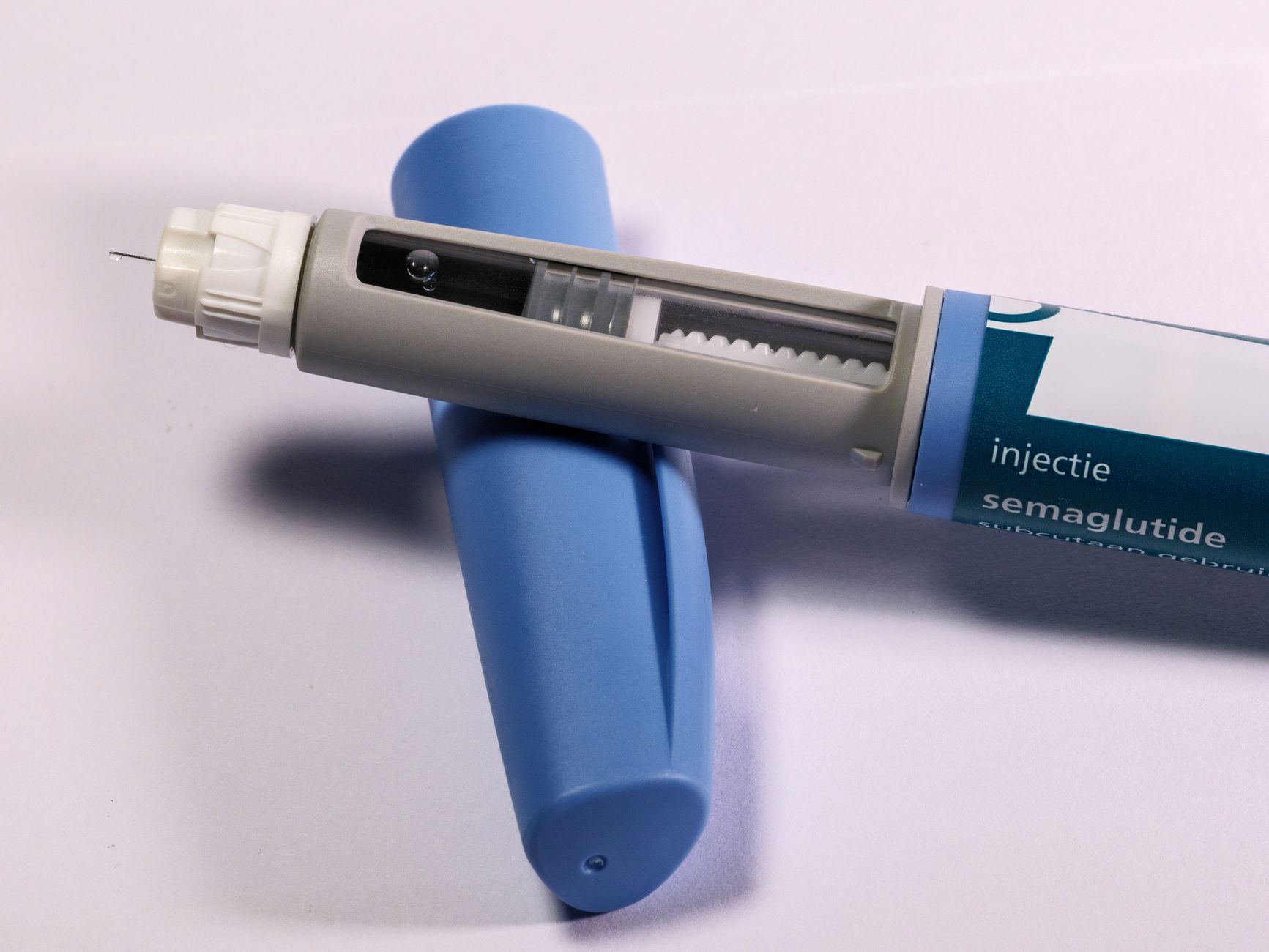
GLP-1 injections recall has become a significant issue, impacting many consumers across the nation. This recall affects several products that are crucial for those relying on these medications.
What Are GLP-1 Injections?
GLP-1 injections, or glucagon-like peptide-1 receptor agonists, are medications primarily used to manage type 2 diabetes and aid in weight loss. These drugs work by mimicking the effects of the GLP-1 hormone, which helps regulate blood sugar levels and appetite.
Healthcare professionals prescribe GLP-1 injections to help patients achieve better glycemic control and promote satiety, leading to reduced caloric intake. Commonly prescribed GLP-1 medications include:
- Semaglutide
- Liraglutide
- Dulaglutide
Recently, a GLP-1 injections recall has raised concerns among patients and healthcare providers, prompting a review of the affected products. It is essential for users to stay informed about this recall for their safety and health management.
Reasons for the Recall
The recent GLP-1 injections recall has raised concerns among healthcare providers and patients alike. The recall was initiated due to several critical issues that could compromise patient safety.
Key reasons for the recall include:
- Contamination risks: Some batches were found to contain foreign particles that could lead to serious health complications.
- Incorrect labeling: Mislabeling of dosage instructions may result in patients administering incorrect amounts, posing a risk of overdose or underdose.
- Storage failures: Certain products were not stored at the required temperatures, which could affect their efficacy.
Patients using the affected products are advised to consult their healthcare providers immediately to discuss alternative treatment options.
List of Affected Products
The recent GLP-1 injections recall has raised concerns among patients and healthcare providers alike. Below is a list of the affected products that have been recalled:
- Ozempic – 0.5 mg and 1 mg doses
- Wegovy – 2.4 mg dose
- Victoza – 1.2 mg and 1.8 mg doses
- Rybelsus – 3 mg and 7 mg tablets
- Trulicity – 0.75 mg and 1.5 mg doses
Patients using these medications are advised to consult their healthcare providers for guidance and alternative treatment options. The recall affects multiple batches, and specific lot numbers should be verified with pharmacies.
Health Risks Associated
The recent GLP-1 injections recall has raised significant health concerns among patients and healthcare providers alike. The affected products, primarily used for weight management and diabetes treatment, may pose serious risks if administered.
Patients using these medications should be aware of potential side effects, which can include:
- Nausea and vomiting
- Diarrhea or constipation
- Dehydration due to fluid loss
- Pancreatitis, which can be life-threatening
Additionally, some patients have reported severe allergic reactions, leading to further complications. It is crucial for individuals currently using the recalled GLP-1 injections to consult their healthcare provider for guidance on alternative treatments and to monitor their health closely.
How to Return Products
Consumers who possess the affected GLP-1 injections are urged to take immediate action. To return the products, follow these steps:
- Locate the Product: Check your medicine cabinet or pharmacy bag for any GLP-1 injections included in the recall list.
- Contact the Pharmacy: Reach out to the pharmacy where you purchased the injections for guidance on the return process.
- Follow Instructions: Adhere to the specific return instructions provided by your pharmacy, which may include filling out a form or providing proof of purchase.
- Dispose Safely: If advised, dispose of the injections at designated medication take-back locations to ensure safe handling.
For further information regarding the GLP-1 injections recall, visit the official health department website or consult your healthcare provider.
Consumer Guidance
Consumers who have purchased GLP-1 injections are advised to check their products against the list of affected items. If you find that your injection is part of the recall, it is crucial to follow the proper steps for returning the product to ensure your safety.
Here are some key points to consider:
- Check Expiration Dates: Ensure that your product is not only on the list but also within the expiration date.
- Contact Your Pharmacist: If you have questions about your specific product, reach out to your pharmacist for guidance.
- Monitor Your Health: If you experience any adverse effects, seek medical attention immediately.
- Stay Informed: Keep updated on further announcements regarding the GLP-1 injections recall.
Your health and safety are paramount during this recall period.
Future of GLP-1 Medications
The future of GLP-1 medications remains uncertain following the recent GLP-1 injections recall. While these medications have been pivotal in managing diabetes and obesity, the recall has raised concerns among healthcare providers and patients alike.
Experts emphasize the importance of ongoing research and development to ensure safety and efficacy in GLP-1 treatments. Some key considerations for the future include:
- Regulatory Scrutiny: Increased oversight may lead to stricter approval processes for new formulations.
- Alternative Therapies: The recall may accelerate interest in alternative weight management and diabetes treatments.
- Patient Education: Enhanced communication about risks and benefits will be crucial for patient safety.
As the industry adapts, ongoing monitoring and innovation will play a vital role in restoring confidence in GLP-1 medications.
Photo by Haberdoedas Photography on Pexels